🔥 1. The Core Appeal
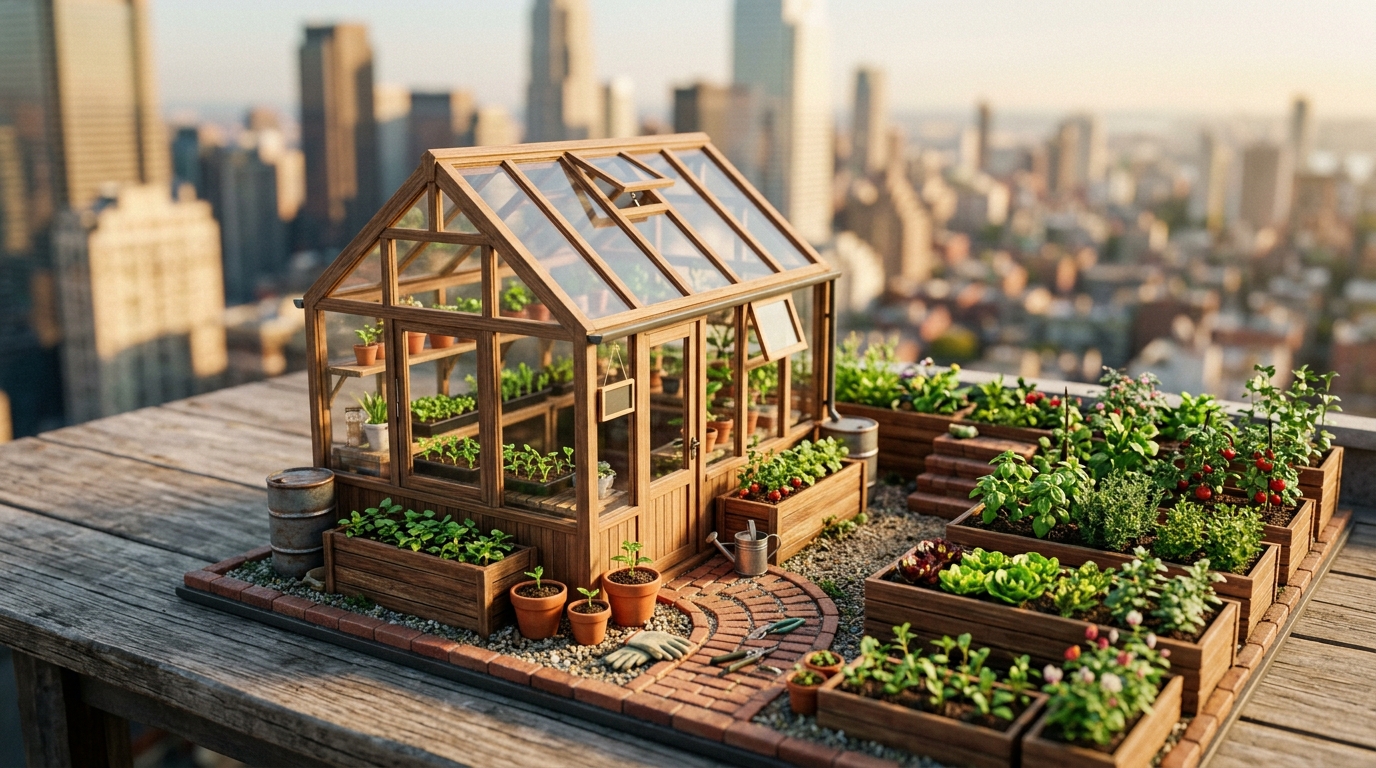
There is an undeniable, grounding magic in eating a meal made from crops harvested mere steps from your kitchen table. Urban farming strips away the abstraction of modern grocery stores, reconnecting you with the rhythmic cadence of soil, water, light, and seasons. Placing your hands into rich compost and watching a tiny seed erupt into a vibrant green leaf provides an immediate antidote to digital burnout, offering a tangible sense of agency and self-reliance right in the heart of the concrete jungle.
Beyond the mental clarity and stress relief, urban farming unlocks culinary flavors that commercial agriculture simply cannot replicate. Sun-warmed heirloom tomatoes bursting with complex sugars, peppery arugula picked seconds before tossing, and fragrant basil leaves overflowing with volatile oils turn everyday meals into gourmet experiences. Managing a small-space garden fosters an intuitive understanding of ecosystems, microclimates, and sustainable living, empowering you to turn unutilized urban space into a thriving, edible oasis.
🗺️ 2. The Landscape
Before rushing to buy designer planters and complex irrigation systems, it helps to understand how urban farming adapts to structural constraints, light availability, and space limitations. Modern city food production ranges from passive container setups on high-rise balconies to high-tech indoor hydroponic towers, each requiring different investments in monitoring and labor.
Container Gardening (Flexibility and Soil Control)
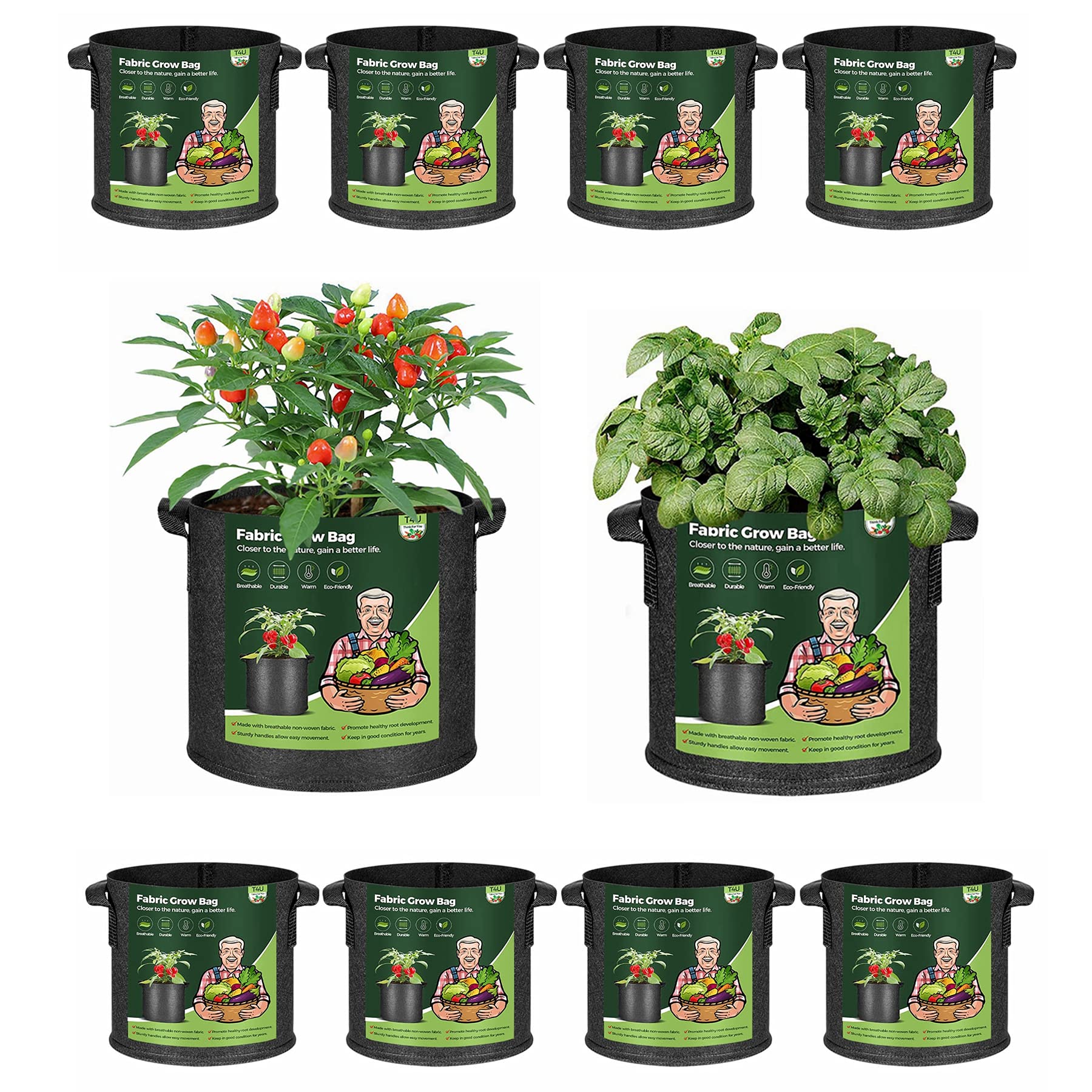
This classic approach relies on fabric pots, raised beds, or modular planters filled with custom potting mixes. It offers complete control over soil nutrients, excellent drainage, and total mobility, making it perfect for renters and sun-dappled balcony spaces.
Vertical Hydroponics (Maximum Yield in Minimal Footprints)
Utilizing recirculating water systems and mineral nutrient solutions, hydroponic towers grow plants without soil in purely vertical orientations. This setup accelerates growth rates by delivering direct oxygen and nutrients to roots, ideal for sunny patios or indoor LED grow-light setups.
Microgreen & Window Sill Cultivation (Ultra-Fast Harvests)
Focused on harvesting dense, immature greens within 7 to 14 days, this micro-farming method thrives on modest windowsills or tabletop trays. It requires minimal space and equipment while delivering dense concentrations of flavor and micronutrients with rapid turnaround times.
For complete beginners, a simple outdoor fabric container garden paired with fast-growing leafy greens and herbs is universally recommended: this forgiving setup cures analysis paralysis without locking them into a rigid style, allowing new growers to master soil moisture and sunlight dynamics with minimal initial investment.
🛒 3. The Starter Kit & Budget
Curated minimum gear required for day one. No expensive fluff or pro-tier barriers.

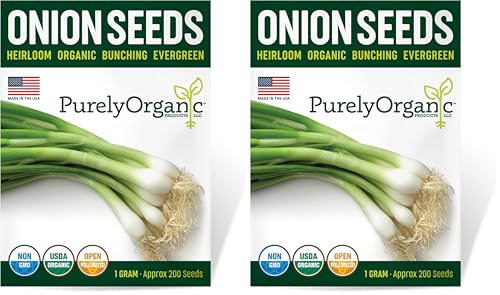
ℹ️ RokkuWare is reader-supported. When you buy through links on our site, we may earn an affiliate commission at zero extra cost to you.