🔥 1. The Core Appeal
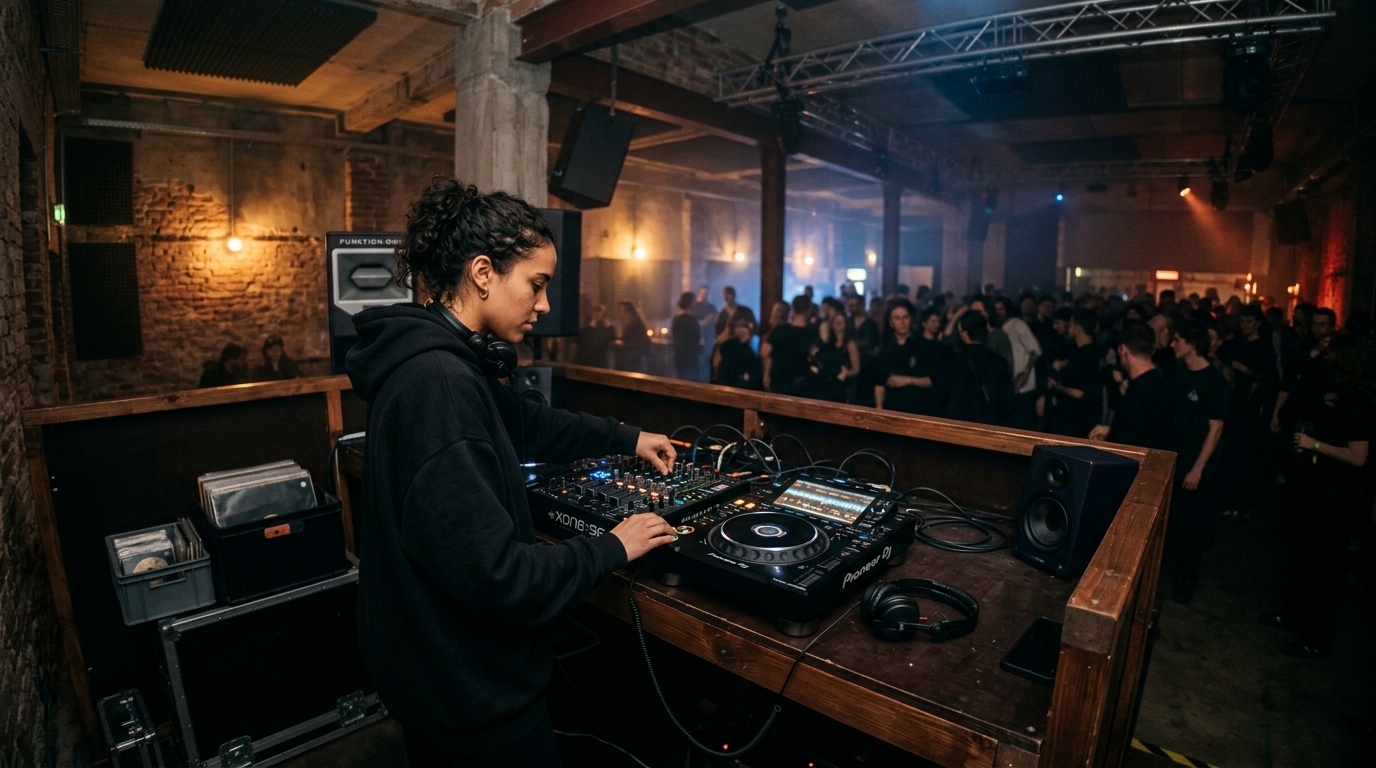
DJing is the art of controlling mood and movement through sound, bridging the gap between passive listening and active musical orchestration. Standing behind a deck, headphone pressed to your ear while feeling the pulse of a low-frequency bassline through the floor, creates an intensely tactile flow state. It is not merely playing records back-to-back; it is sculpting dynamic sonic arcs in real time, manipulating beat grids, EQ frequencies, and gain levels to lock a room into a collective rhythmic heartbeat.
Beyond the high-energy rush of performance, DJing offers a deep, meditative creative outlet rooted in musical curation and technical finesse. As you train your ears to hear phase alignment and key harmonies instinctively, your relationship with music fundamentally changes. The joy lies in the sudden discovery of two disparate tracks locking together perfectly—creating an effortless third soundscape that exists only in that exact moment of live blend.
🗺️ 2. The Landscape
Before purchasing hardware, understanding the distinct operational workflows in DJing prevents investing in gear tailored for the wrong performance environment.
Club & Festival Mixing (Flow and Seamless Transitions)
Focuses on long, smooth blends between tracks using multi-deck setups and phrase matching. Practitioners manipulate EQ frequencies and subtle effects to maintain continuous dance floor energy over long hours without jarring sonic cuts.
Turntablism & Scratching (Percussive Manipulation and Technical Skill)
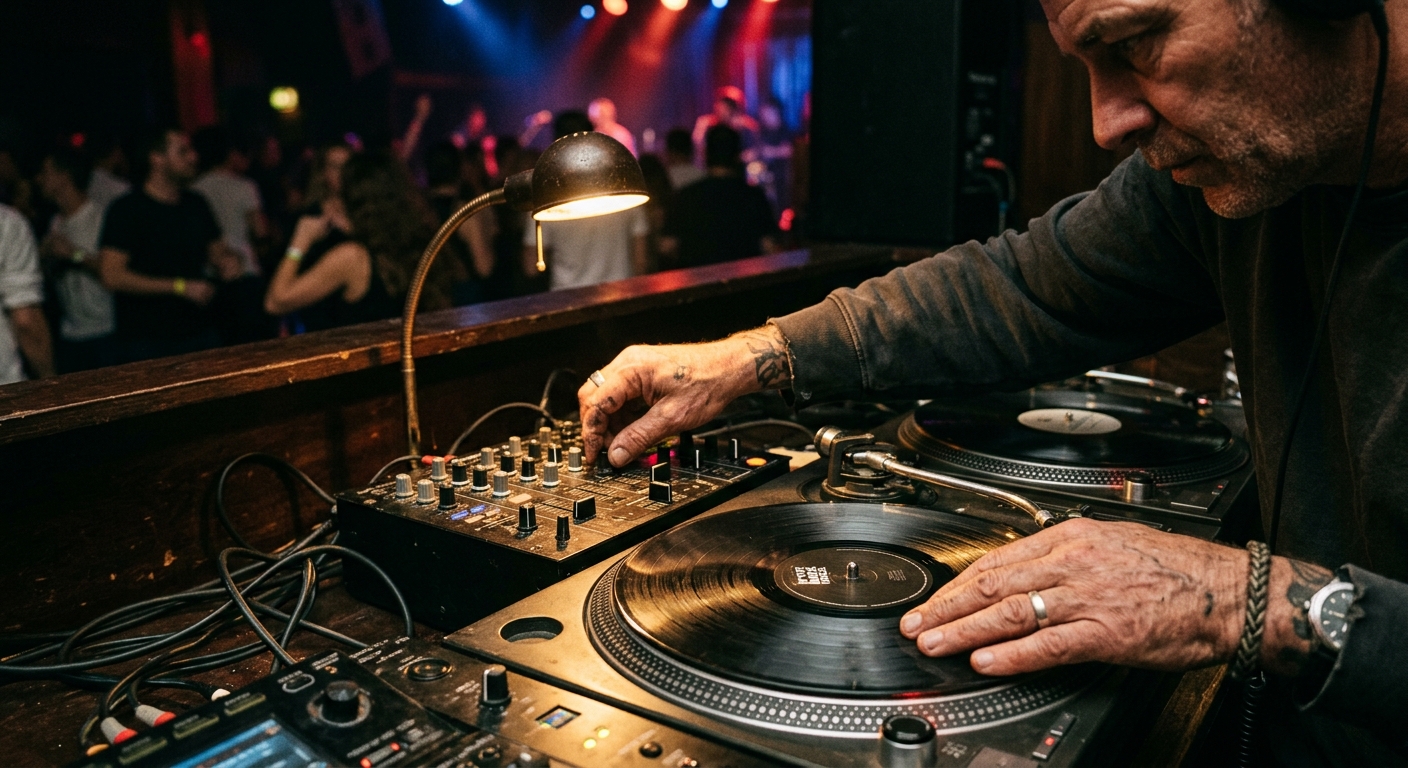
Treats the turntable as a live musical instrument through rhythmic crossfader cuts and vinyl manipulation. It requires fine muscle memory, lightning-fast reflexes, and deep syncopation to transform vocal chops and drum breaks into brand-new beats.
Mobile & Event DJing (Versatility and Crowd Reading)
Prioritizes massive genre breadth, crowd psychology, and technical adaptability for weddings, corporate events, and parties. Operating with compact, portable controllers, mobile DJs focus on quick track programming, microphone control, and instant response to guest dynamics.
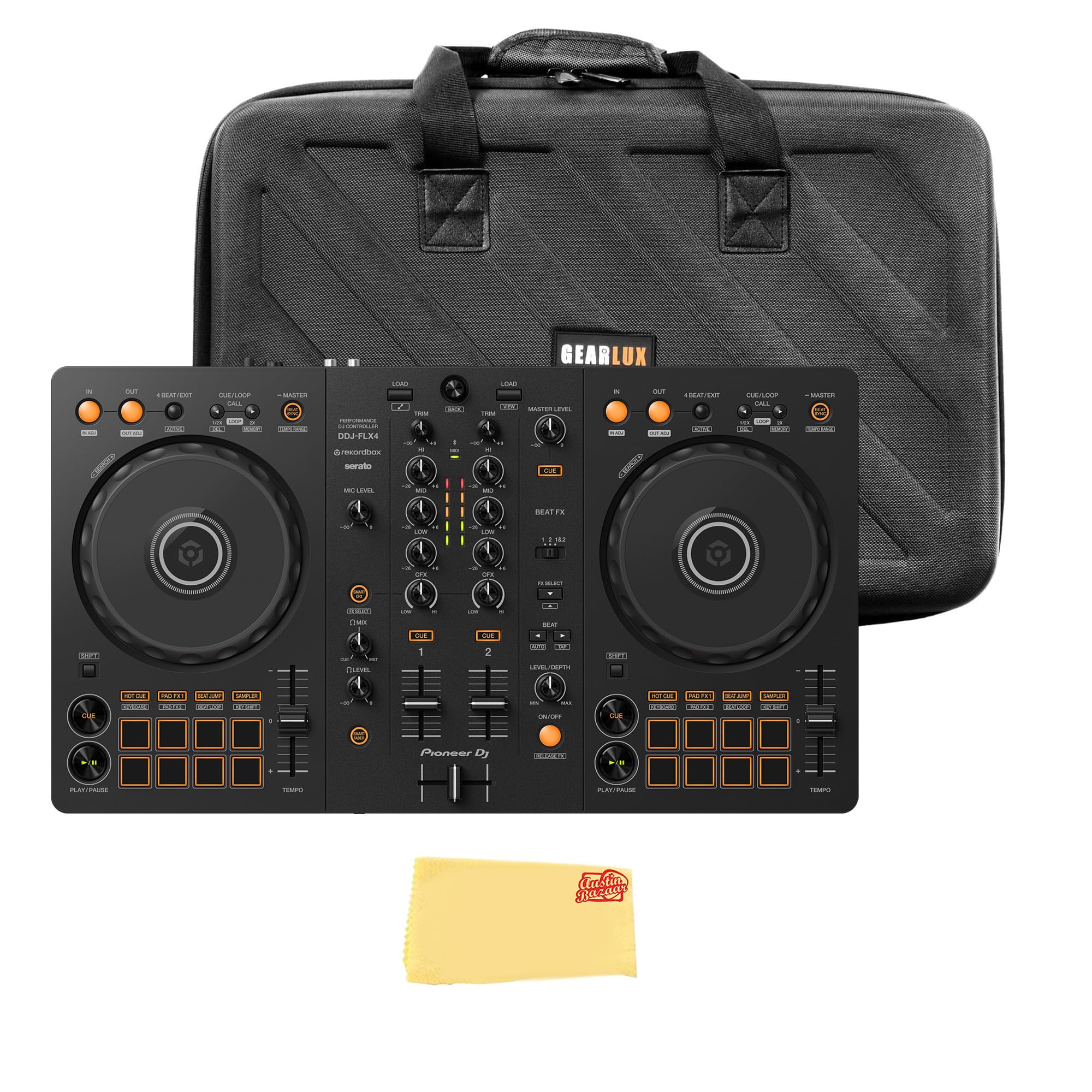
For complete beginners, a two-channel USB smart DJ controller paired with entry-level laptop software is universally recommended: it provides all standard physical controls—jog wheels, pitch faders, and performance pads—at an affordable cost, curing analysis paralysis without locking you into proprietary hardware ecosystems.
🛒 3. The Starter Kit & Budget
Curated minimum gear required for day one. No expensive fluff or pro-tier barriers.
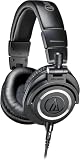
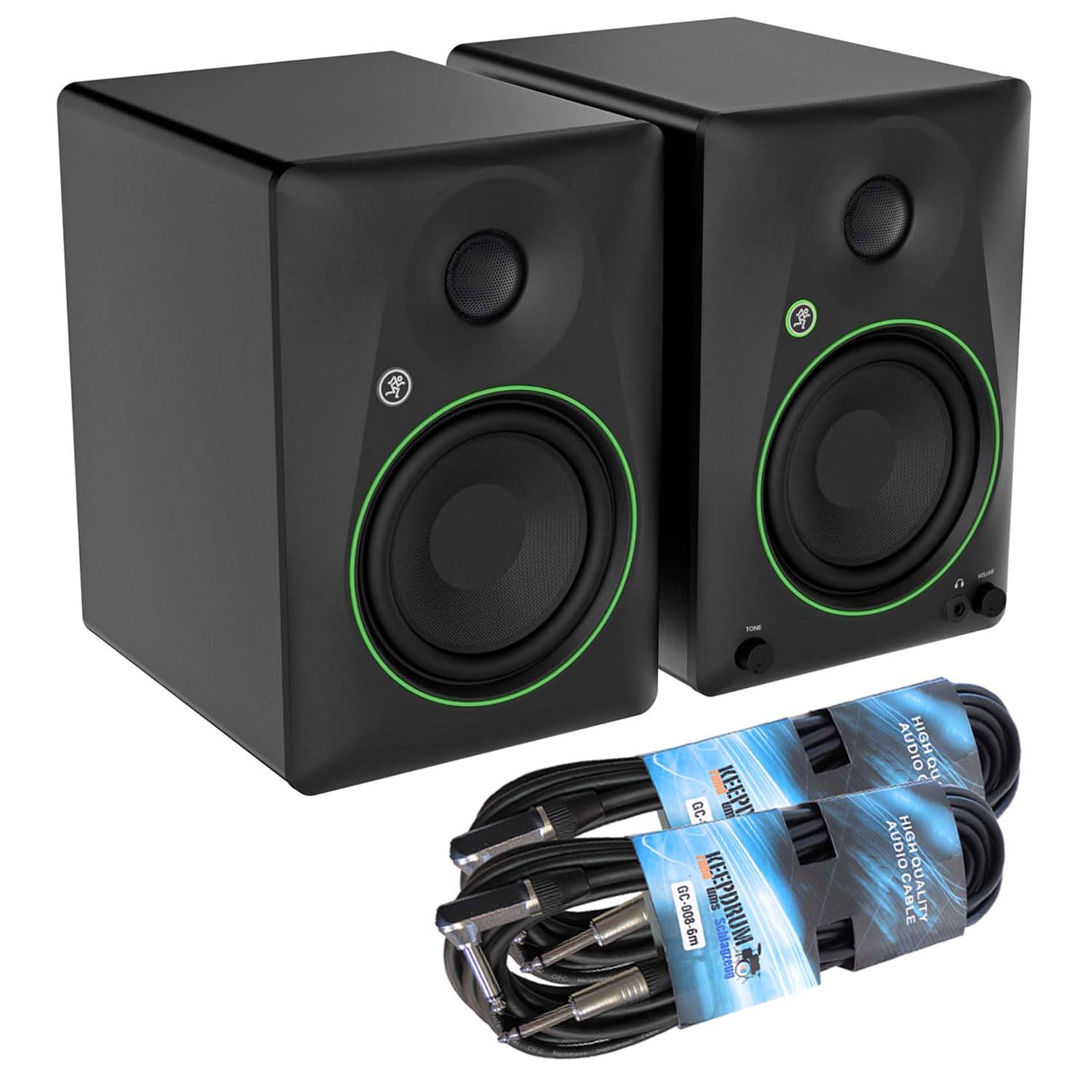
ℹ️ RokkuWare is reader-supported. When you buy through links on our site, we may earn an affiliate commission at zero extra cost to you.