🔥 1. 魅力の本質
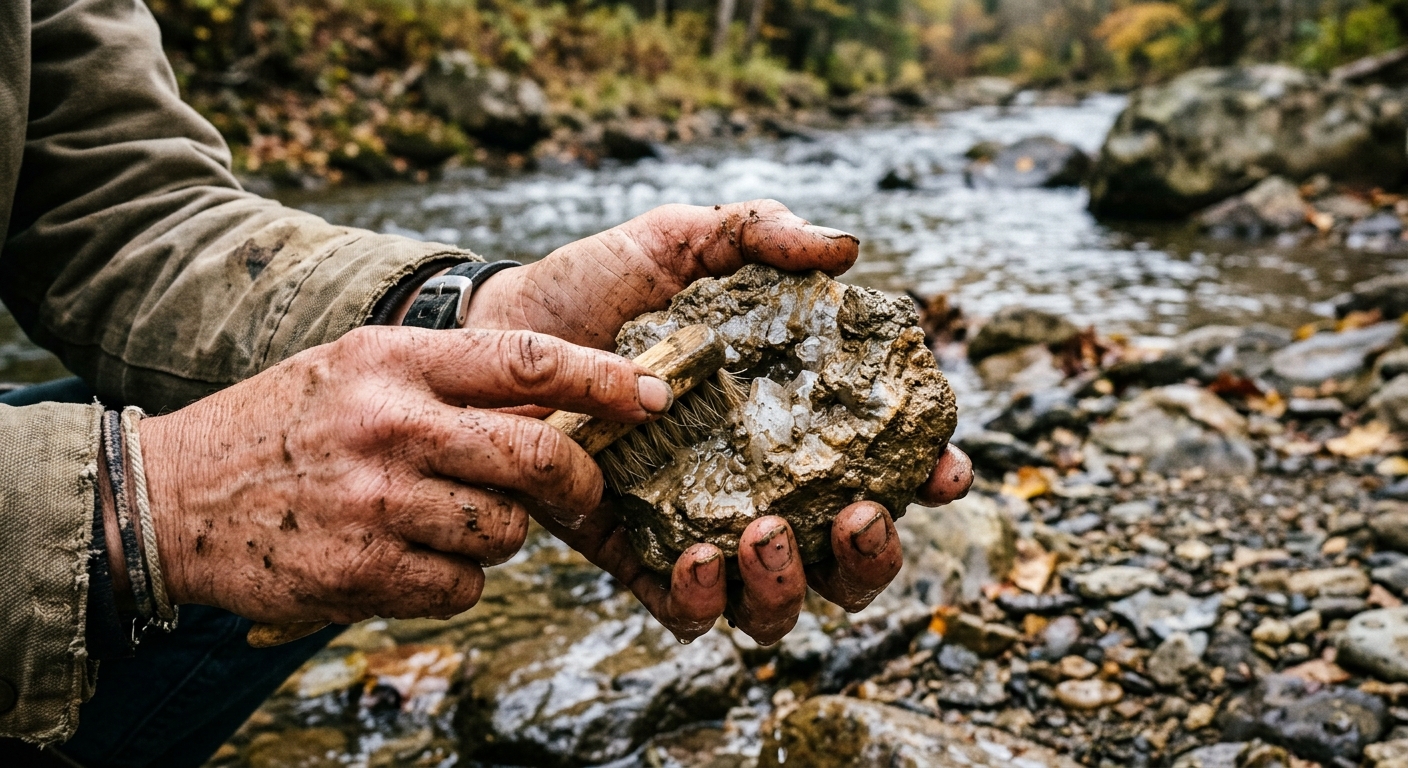
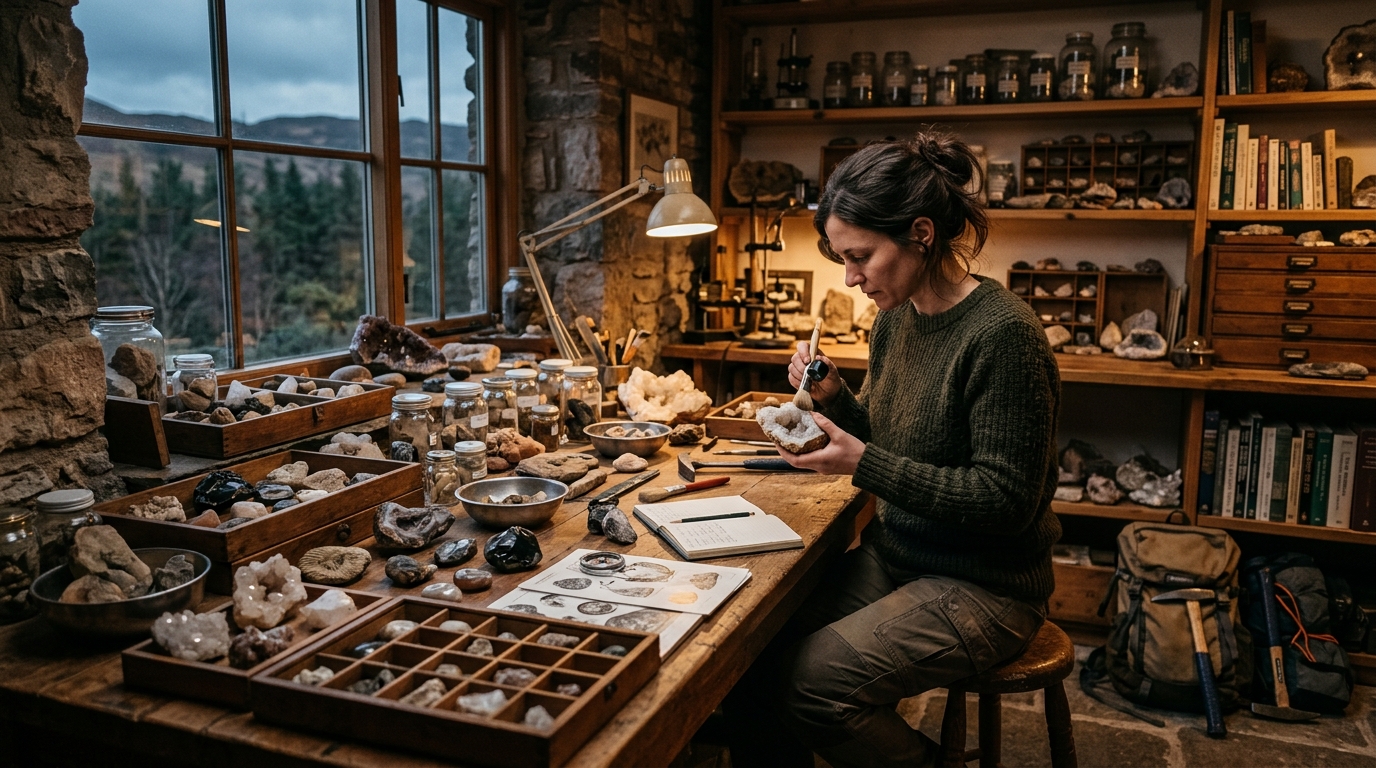
There is an intoxicating thrill in pulling millions of years of Earth's history straight out of the dirt. Holding a rough, unassuming stone in your palm and cracking it open to reveal shimmering quartz crystals or vibrant agate banding connects you directly to the ancient forces that shaped the planet. Rock collecting turns every hike, riverbank stroll, or gravel path into a high-stakes treasure hunt where patience, curiosity, and a keen eye pay off in raw natural beauty.
Beyond the rush of discovery lies a deeply meditative, grounding flow state. As you scan riverbeds or scree slopes, the chatter of modern life recedes, replaced by the rhythmic crunch of gravel and a hyper-focused awareness of color, texture, and weight. Cleaning, cataloging, and displaying your finds transforms simple rocks into a personal, tactile library of memory and natural wonder.
🗺️ 2. 全体像と種類
Before purchasing heavy lapidary tools or expensive diamond saws, it is crucial to understand the different pathways within rock collecting, ranging from casual field foraging to precision mineral classification.
Surface Rockhounding (Field Foraging & Gravel Scanning)
Focusing on visual scanning along riverbeds, beaches, and gravel bars without heavy excavation. Collectors seek weathered agates, polished jasper, and colorful quartz using light tools, keen eyesight, and basic surface-collecting techniques.
Hard-Rock Mineral Hunting (Chiseling & Extraction)
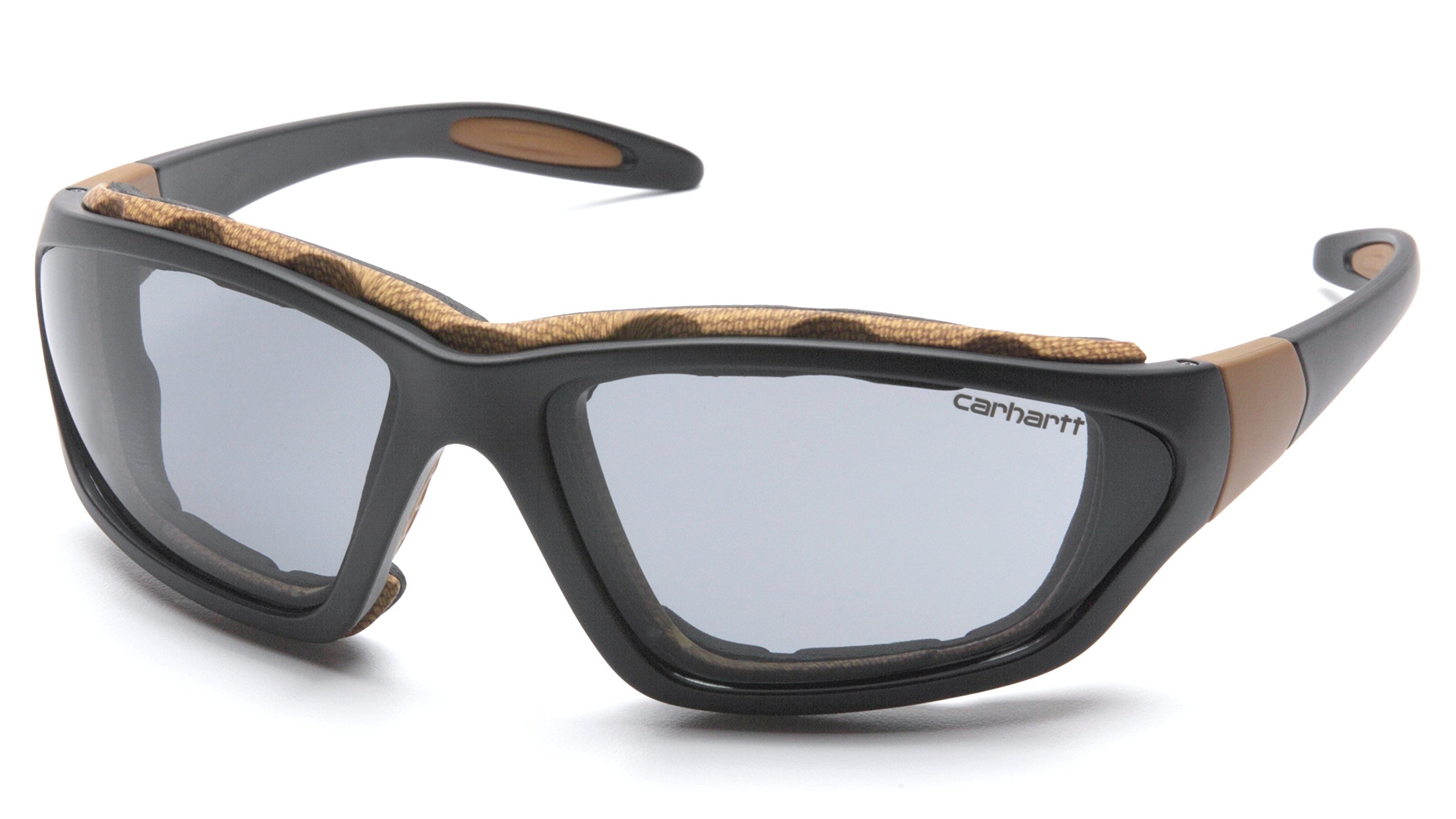
Involves extracting fully formed crystal structures, geodes, or matrix specimens directly from exposed bedrock or vein formations. This discipline demands rock picks, safety goggles, chisels, and physical effort to carefully extract intact specimens without causing fracture damage.
Lapidary Arts & Pebble Tumbling (Cutting, Polishing, and Shaping)
Transforming rough, unassuming field specimens into glassy cabinet display pieces or jewelry cabochons using rock tumblers, saws, and grinding wheels. The focus shifts from field discovery to revealing internal patterns through mechanical polishing.
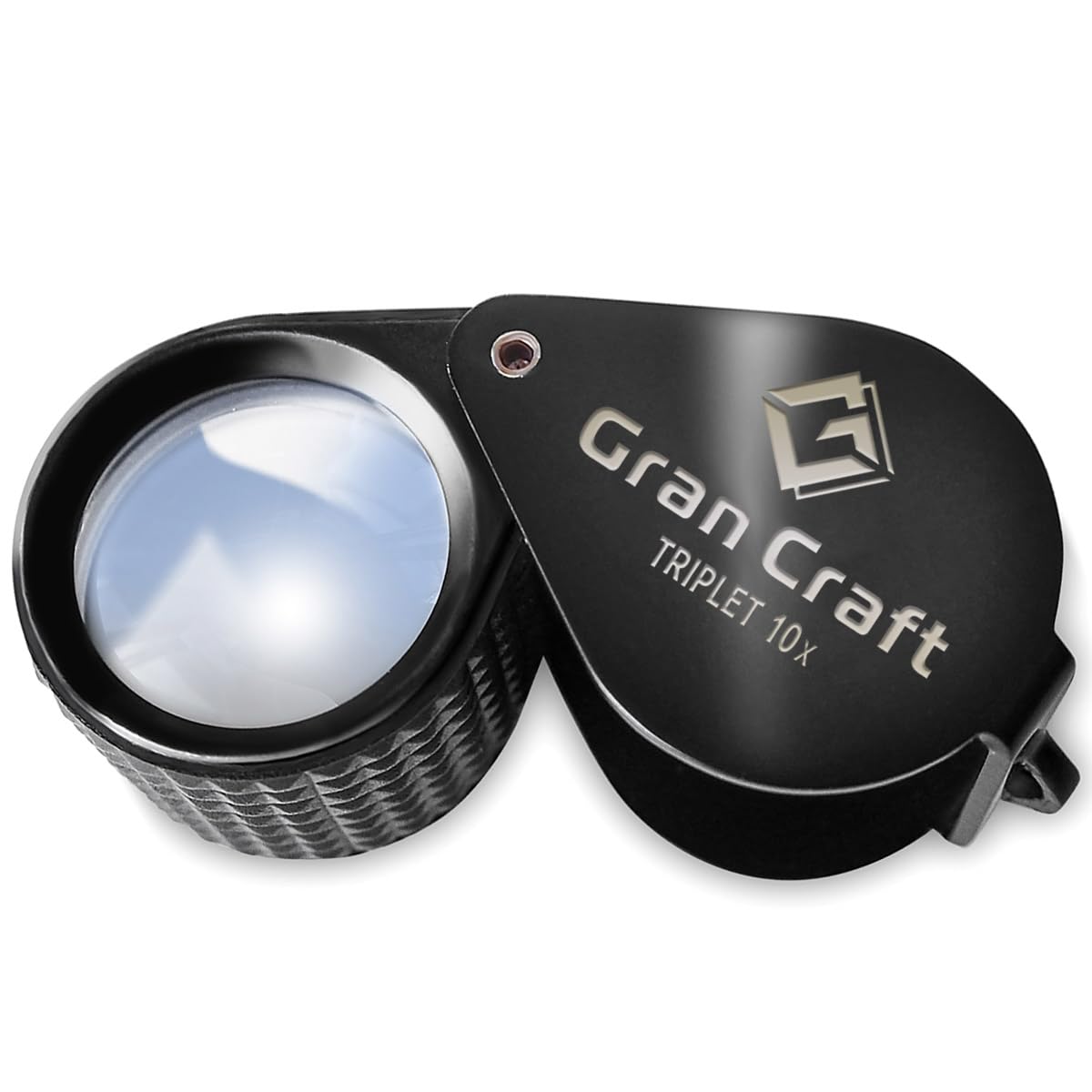
For complete beginners, surface rockhounding along local riverbeds with basic surface-collecting tools is universally recommended: starting with basic identification guides, eye protection, and a simple 10x hand lens cures analysis paralysis without locking them into a rigid style or high equipment investment before knowing what local geology offers.
🛒 3. スターターキットと予算
初日に本当に必要なアイテムだけを厳選。無駄な出費や高いハードルはありません。

ℹ️ RokkuWareは読者によって支えられています。リンク経由で購入された場合、追加費用なしで手数料を受け取ることがあります。